

What Is Bone Grafting?
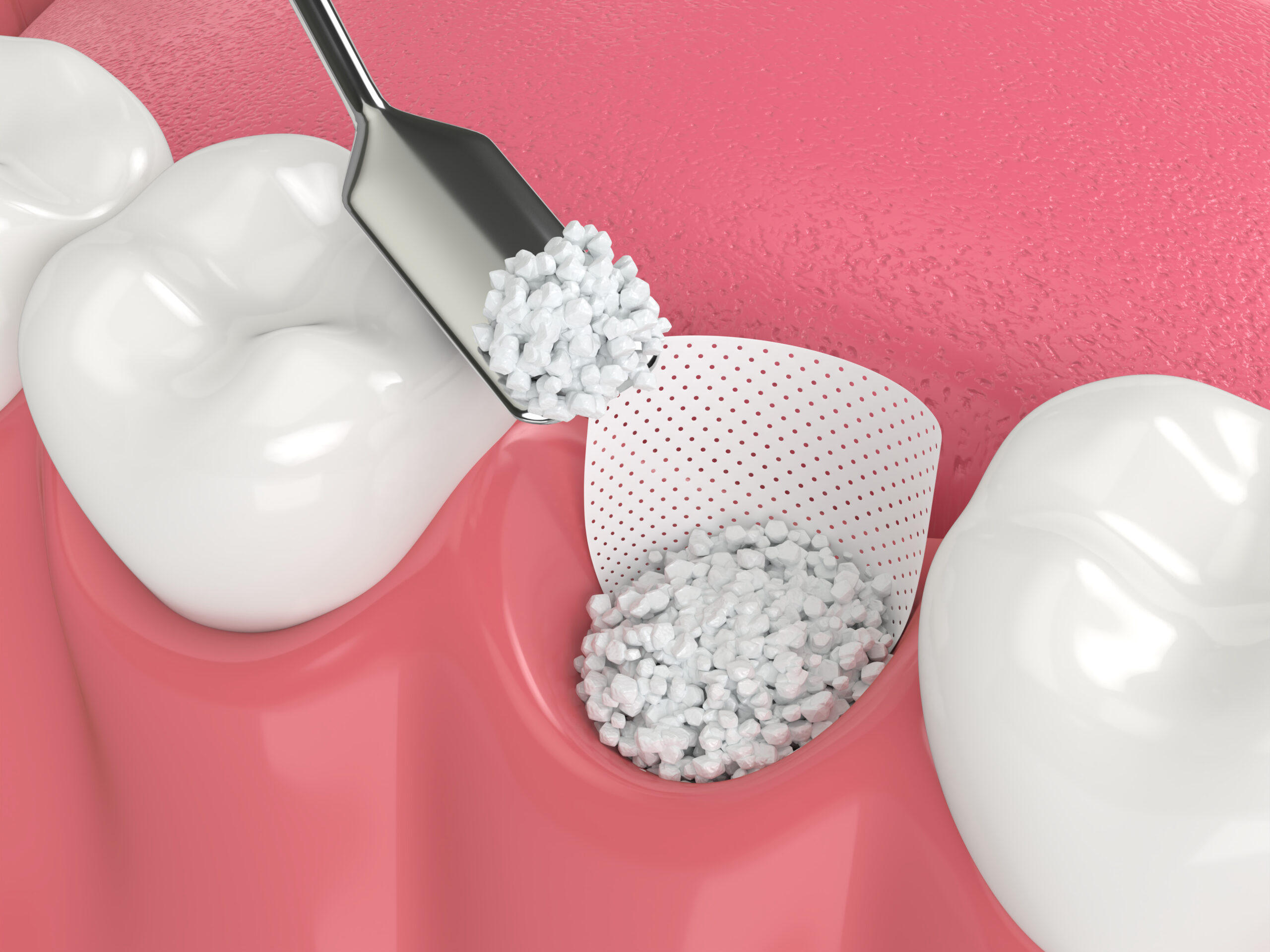
Bone grafting is a surgical procedure that involves the transplantation of bone tissue to repair or rebuild bones in various areas of the body, particularly within the dental field. This technique is commonly employed when there is insufficient bone mass to support dental implants or other restorative procedures. The process can utilize either autogenous bone (taken from the patient), allograft (from a donor), xenograft (from an animal source), or synthetic materials designed to mimic natural bone.
The primary goal of this procedure is to create a stable foundation for future dental work, ensuring that patients achieve optimal functional and aesthetic outcomes. By enhancing the volume and density of the jawbone, bone grafting plays a crucial role in restoring oral health and improving overall quality of life.
Patients seeking effective solutions for missing teeth or compromised bone structure often find themselves exploring options like bone augmentation. With advancements in technology and techniques, the success rates of these procedures have significantly increased, making it a reliable choice for many individuals facing similar challenges.
What Problems Does Bone Grafting Solve?
Bone grafting addresses several issues related to inadequate bone structure, primarily in the context of dental restorations. One of the most common problems it solves is the lack of sufficient bone density necessary to support dental implants. When teeth are lost, the surrounding bone may begin to deteriorate over time due to the absence of stimulation, leading to further complications.
Additionally, patients with periodontal disease, trauma, or congenital conditions may experience significant bone loss. This condition not only affects one’s ability to chew effectively but also impacts facial aesthetics, potentially leading to a sunken appearance. Bone augmentation provides a solution by rebuilding the bone, allowing for successful implant placement and restoration of function.
Furthermore, bone grafting can improve the stability of existing teeth, especially in cases where advanced gum disease has led to bone recession. By reinforcing the underlying structures, patients can maintain their natural teeth longer while preventing additional tooth loss.
What’s Involved in Bone Grafting?
The bone grafting procedure typically begins with a thorough examination and imaging studies conducted by Dr. Demetra Malamatenios to assess the extent of bone loss and determine the best approach. Afterward, a treatment plan is developed tailored to each patient’s unique needs. During the surgery, local anesthesia or sedation is administered to ensure comfort throughout the process.
Once the area is numb, Dr. Demetra Malamatenios will make an incision to access the affected site. The chosen bone material is then carefully placed into the prepared area, promoting new bone growth as it integrates with the existing bone. Depending on the complexity of the case, additional procedures such as sinus lifts or ridge augmentations may be performed concurrently.
Post-operative care is essential for successful healing. Patients receive detailed instructions on how to manage discomfort, swelling, and hygiene during recovery. Follow-up visits allow for monitoring progress and ensuring that the graft is integrating properly with the surrounding tissues.
Who Is Bone Grafting For?
Bone grafting is suitable for a wide range of patients, particularly those who require dental implants but lack adequate bone structure. Individuals who have experienced tooth loss due to injury, decay, or periodontal disease are prime candidates for this procedure. Additionally, people who have been edentulous for an extended period may benefit from bone augmentation to restore their oral functionality.
Moreover, patients undergoing orthodontic treatments may need bone grafts to provide additional support for teeth repositioning. Those with specific medical conditions affecting bone density, such as osteoporosis, might also consider this option to enhance their dental health.
Ultimately, anyone looking to improve their oral health and restore their smile can explore the possibility of bone grafting. A consultation with Dr. Demetra Malamatenios can help determine whether this procedure aligns with individual treatment goals.
What Are the Benefits of Bone Grafting?
The benefits of bone grafting extend beyond merely providing support for dental implants. One of the most significant advantages is the restoration of proper jaw function, which allows patients to enjoy a varied diet without discomfort. Improved chewing efficiency contributes to better nutrition and overall health.
In addition to functional improvements, bone augmentation enhances facial aesthetics. By restoring lost bone volume, patients can achieve a more youthful appearance, reducing the risk of sagging or sunken facial features. This boost in self-esteem can lead to greater confidence in social interactions.
Furthermore, the procedure promotes long-term oral health by stabilizing existing teeth and preventing further bone loss. As new bone forms around the grafted material, it creates a robust framework that supports both current and future dental treatments, ensuring lasting results.
Why Is Smile Bright Dental Uniquely Qualified to Provide Bone Grafting?
Smile Bright Dental stands out as a premier provider of bone grafting services through its commitment to convenient, patient-centered service. Under the guidance of Dr. Demetra Malamatenios, the practice emphasizes individualized care, ensuring that each patient receives personalized attention throughout their treatment journey. Comprehensive, family-friendly care is at the heart of the practice’s philosophy, making it accessible for patients of all ages.
Utilizing advanced dentistry techniques, Smile Bright Dental offers state-of-the-art facilities equipped with the latest technology. This ensures that patients benefit from the highest standards of safety and efficacy during their procedures. Dr. Demetra Malamatenios combines expertise with a compassionate approach, creating a relaxing experience that alleviates any apprehensions associated with dental surgeries.
With a focus on continuous education and staying abreast of industry advancements, the team at Smile Bright Dental is well-equipped to handle complex cases efficiently. Patients searching for “bone grafting near me” will find a trusted partner in their journey toward improved oral health and restored smiles.
Take the First Step Towards a Healthier Smile!
If you are considering bone grafting and want to explore your options with a qualified professional, look no further than Smile Bright Dental. Led by Dr. Demetra Malamatenios, the practice is dedicated to providing exceptional care tailored to meet your needs. Contact us today at (845) 628-8196 or visit our contact page. Discover why so many patients choose us for their bone grafting needs and see how we can assist you in achieving your ideal smile. Find us conveniently located by following this Google Maps link.